
Why did IL-6 inhibition fail?
A post-mortem on ZEUS and what it means for human genetics

Cardiovascular disease remains the leading cause of death worldwide, largely driven by atherosclerosis. Atherosclerotic plaques grow in medium- and large-sized arteries over decades as a result of the subendothelial accumulation of atherogenic cholesterol particles. Eventually, they can become large enough to restrict blood flow to the organs they supply, or they can become unstable, rupture, and trigger acute thrombotic events that may manifest as heart attacks or strokes.
Inflammation has long been suspected to play a role in this process. In fact, in one of the earliest microscopic descriptions of atherosclerosis, published in 1913, Nikolai Anitschkow observed unusual cells within plaques, now known as foam cells. Anitschkow, who had reproduced atherosclerosis in rabbits by feeding them a high-cholesterol diet, assumed that these cells were leukocytes, the blood cells we know to be driving the immune response.
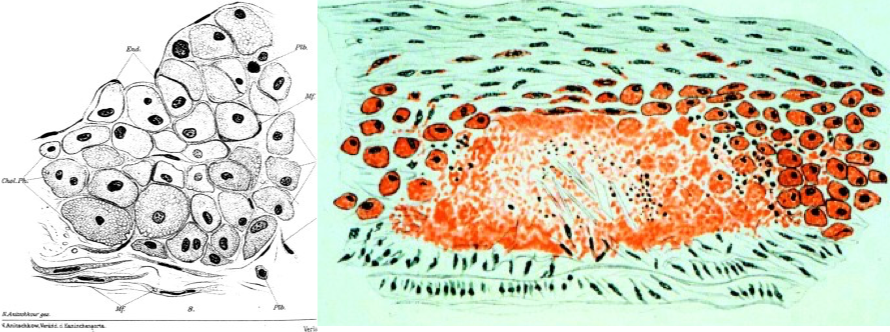
Since then, numerous lines of evidence have provided support for a very active local inflammatory component in atherosclerotic plaques. More advanced histopathological analyses than those Anitschkow could pursue subsequently confirmed the presence of macrophages and lymphocytes in human plaques. Molecular analyses have further shown high levels of cytokines in advanced lesions. More recently, single-cell and spatial transcriptomic studies of human plaques have confirmed this picture, revealing a complex immune landscape that includes multiple macrophage and T-cell subtypes, as well as dendritic cells, B cells, plasma cells, NK cells, neutrophils, and mast cells. Circulating inflammatory markers, such as high-sensitivity C-reactive protein (hsCRP) and interleukin-6 (IL-6), are also strongly associated with future cardiovascular risk across many different settings and epidemiological studies.
The question that has always intrigued researchers was not whether inflammation is involved in atherosclerosis (I think this is very well-settled), but whether interfering with it could have disease-modifying effects. Since the emergence of mouse knockout models of atherosclerosis in the 1990s (Apoe and Ldlr knockouts), numerous research groups have knocked out or knocked in genes, or pharmacologically inhibited or activated different components of the immune response, showing effects on disease progression and raising hope that targeting inflammation could be a viable strategy for patients. Vascular immunology and inflammation have turned into massive research fields, with whole labs dedicated to uncovering the inflammatory pathways involved in atherosclerosis in the hope of finding new therapeutic targets.
Clinical trial evidence
Several trials have been run testing the inflammatory hypothesis in atherosclerotic cardiovascular disease, with a fair portion of them failing to show benefit. However, it is fair to say that most failed trials tested either broad anti-inflammatory agents (e.g. methotrexate in CIRT or methylprednisolone in PULSE-MI) that were not in any way specific to atherosclerosis, or targeted pathways for which subsequent evidence has been less supportive (e.g. Lp-PLA2 inhibition in STABILITY or p38/MAPK inhibition in LATITUDE). The table I copied below from this review offers a detailed summary of the trials.
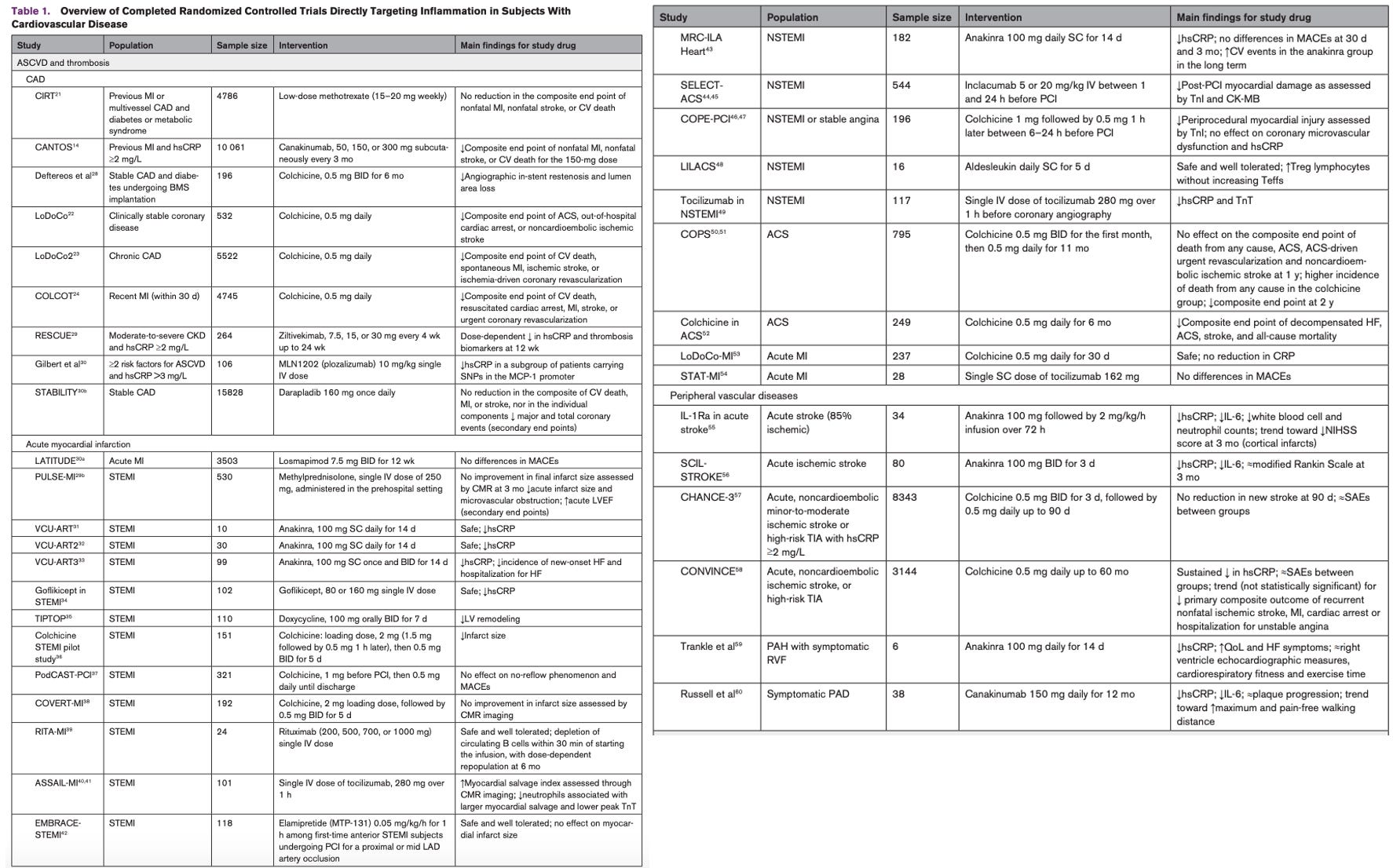
The CANTOS trial, published in 2017, was a landmark study for the field, as it was the first positive cardiovascular outcomes trial specifically testing an anti-inflammatory strategy. It randomized 10,061 patients with a previous myocardial infarction and evidence of systemic inflammation, as captured by hsCRP ≥2 mg/L, to receive canakinumab (50 mg, 150 mg, or 300 mg) subcutaneously every 3 months versus placebo. Canakinumab is an anti-IL-1β monoclonal antibody developed by Novartis. Compared with placebo, the 150-mg dose produced a significant ~15% reduction in cardiovascular events over a median of 3.7 years of follow-up (nonfatal myocardial infarction, nonfatal stroke, or cardiovascular death), which was the primary endpoint (HR 0.85, 95% CI 0.74–0.98). The 300-mg dose had a similar effect (HR 0.86, 95% CI 0.75–0.99), although it did not meet the prespecified multiplicity-adjusted threshold for statistical significance.
Beyond canakinumab, two additional large-scale trials (COLCOT and LoDoCo2), also showed that low-dose colchicine (0.5 mg once daily), a century-old oral anti-inflammatory drug, reduced risk of cardiovascular events over placebo in patients after myocardial infarction and chronic coronary disease, respectively. Notably, not all trials on colchicine have been positive. A more recent and larger trial than either COLCOT or LoDoCo2 (CLEAR-SYNERGY) failed to show a benefit in patients with acute myocardial infarction followed for 3 years. A meta-analysis of all available trials, however, still supported a reduction in risk with colchicine.
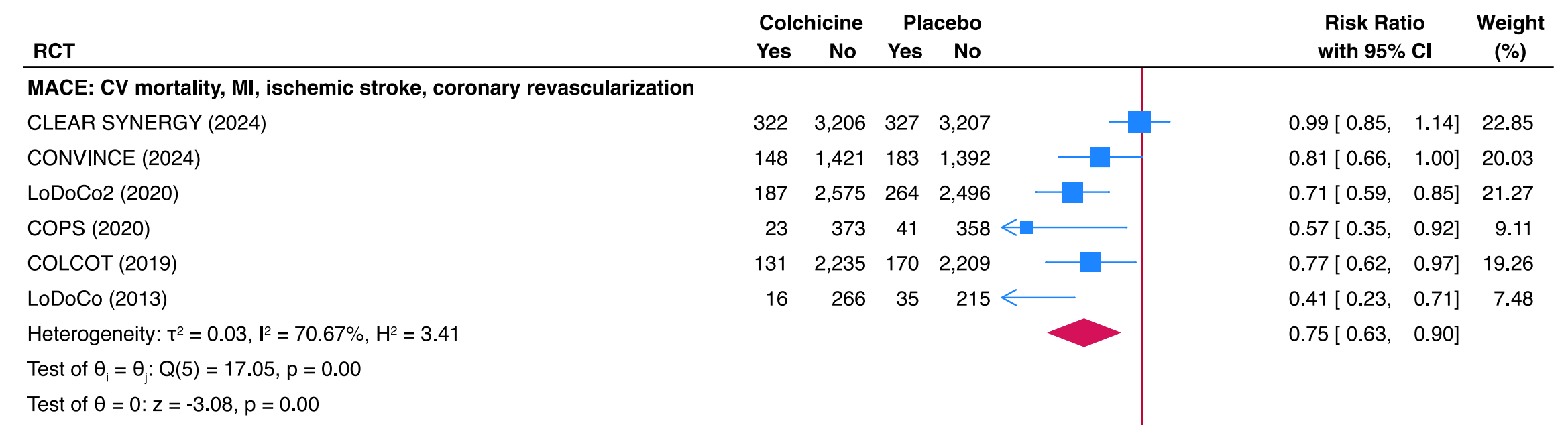
The practical outcome of these trials for patients was the approval of low-dose colchicine by the FDA in 2023 “to reduce the risk of myocardial infarction (MI), stroke, coronary revascularization, and cardiovascular death in adult patients with established atherosclerotic disease or with multiple risk factors for cardiovascular disease”. The FDA, however, declined to approve canakinumab, as it assessed that the approximately 15% cardiovascular risk reduction would not outweigh the higher risk of serious and fatal infections also observed in CANTOS. Novartis subsequently decided not to pursue the cardiovascular indication and focused canakinumab development on oncology indications.
But beyond regulatory decisions and outcomes for patients, the positive trial results raised enthusiasm in the field, as they were widely perceived as validation of the inflammatory hypothesis that had been developing for nearly a century. Most importantly, CANTOS pointed to IL-1β as an inflammatory pathway that is likely causally involved in cardiovascular disease and provided a measurable efficacy signal that could guide subsequent translational efforts. Colchicine’s mechanism of action is poorly defined, and, like many therapeutics from this era, it has multiple pleiotropic molecular effects. However, it has been hypothesized to partly act via disrupting microtubule dynamics and thereby inhibiting NLRP3 inflammasome activation, which is a regulator of IL-1β production. Thus, many interpreted the results of CANTOS and the colchicine trials as converging on the same NLRP3/IL-1β pathway.
Converging evidence on IL-6 signaling and the role of human genetics
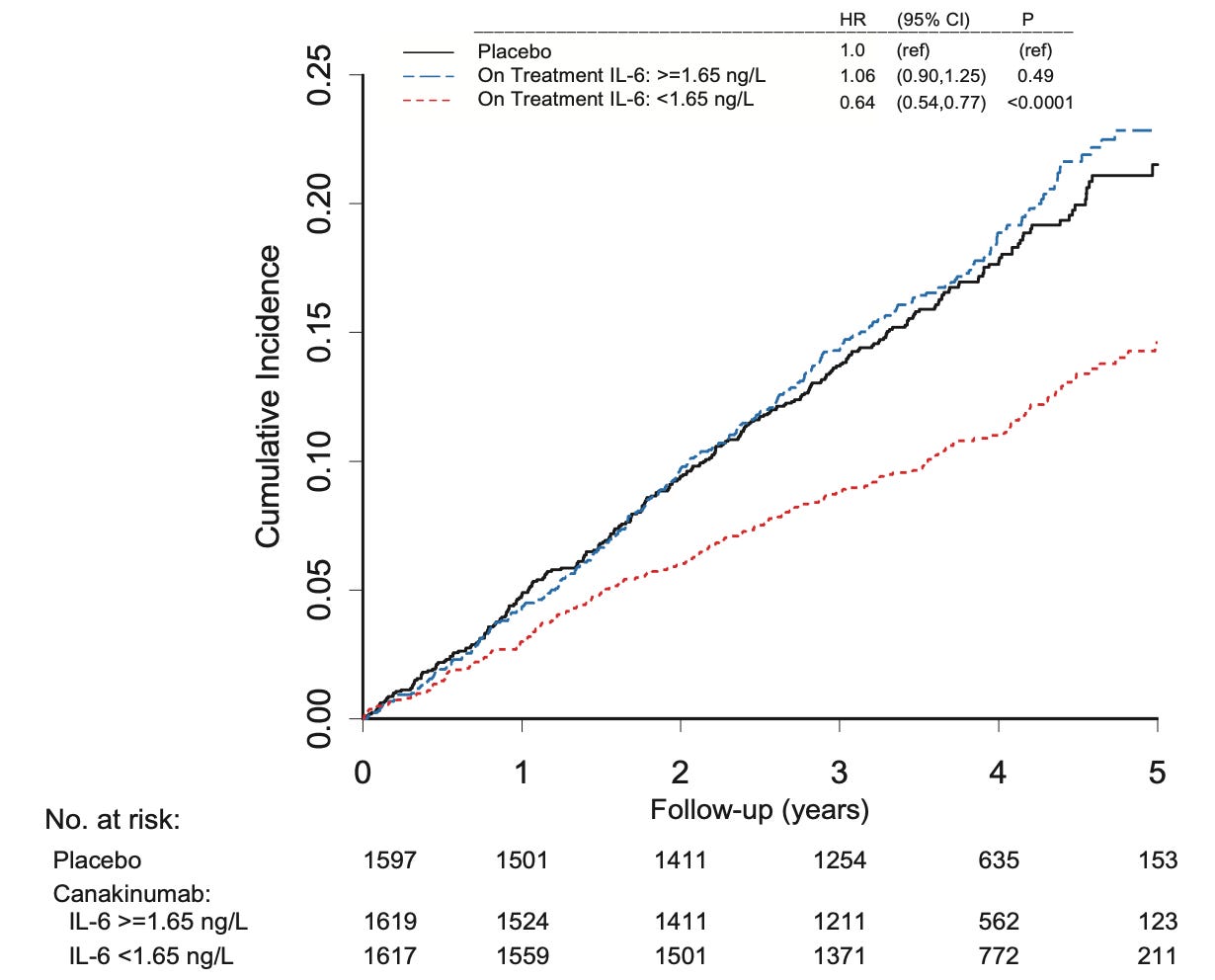
Searching for the right approach to lower cardiovascular risk, a large body of evidence converged on IL-6. IL-6 is considered to be directly downstream of IL-1β, its levels rise rapidly as a result of inflammatory triggers, and it has downstream pro-inflammatory effects, including liver production of acute-phase proteins, most notably CRP. Histopathology studies had long suggested that IL-6 is present in atherosclerotic plaques and correlated with histological markers of plaque progression. Experimental studies in mice provided evidence that IL-6 contributes to atherosclerosis, including studies showing that pharmacological blockade of IL-6 signaling reduced atherosclerotic lesion formation. Large-scale observational analyses had demonstrated that circulating IL-6 levels are associated with a higher risk of cardiovascular events, including acute coronary events, and ischemic stroke, as well as imaging plaque progression. Even more strikingly, post hoc analyses of CANTOS demonstrated that the benefit of IL-1β inhibition was restricted to patients who achieved a reduction in IL-6 levels.
While all these different layers of evidence raised confidence in IL-6 signaling, probably the strongest signal that IL-6 was causal in human atherosclerosis came from human genetic studies. Already in 2012, two independent groups identified variants in the gene encoding the IL-6 receptor, IL6R, that were associated with a lower risk of coronary heart disease. The two variants (rs2228145 and rs7529229) were in high linkage disequilibrium (highly correlated, as they are usually inherited together), with the consensus nowadays being that rs2228145 is the functional variant driving the association. rs2228145 leads to a change from adenine to cytosine in exon 9 of IL6R that, as a result, leads to an amino acid change from aspartic acid to alanine at position 358 of the IL-6R protein (Asp358Ala). This causes enhanced cleavage of the membrane-bound receptor and, as a result, reduced membrane-bound IL-6R and impaired classical IL-6 signaling, particularly in hepatocytes and immune cells. Carrying this variant was associated with lower circulating CRP, as well as other acute-phase proteins, including fibrinogen and haptoglobin. The variant is very common in individuals of European ancestry (approximately 40% carry at least one C copy), and carrying it was associated with a significant dose-response reduction in the risk of coronary artery disease.
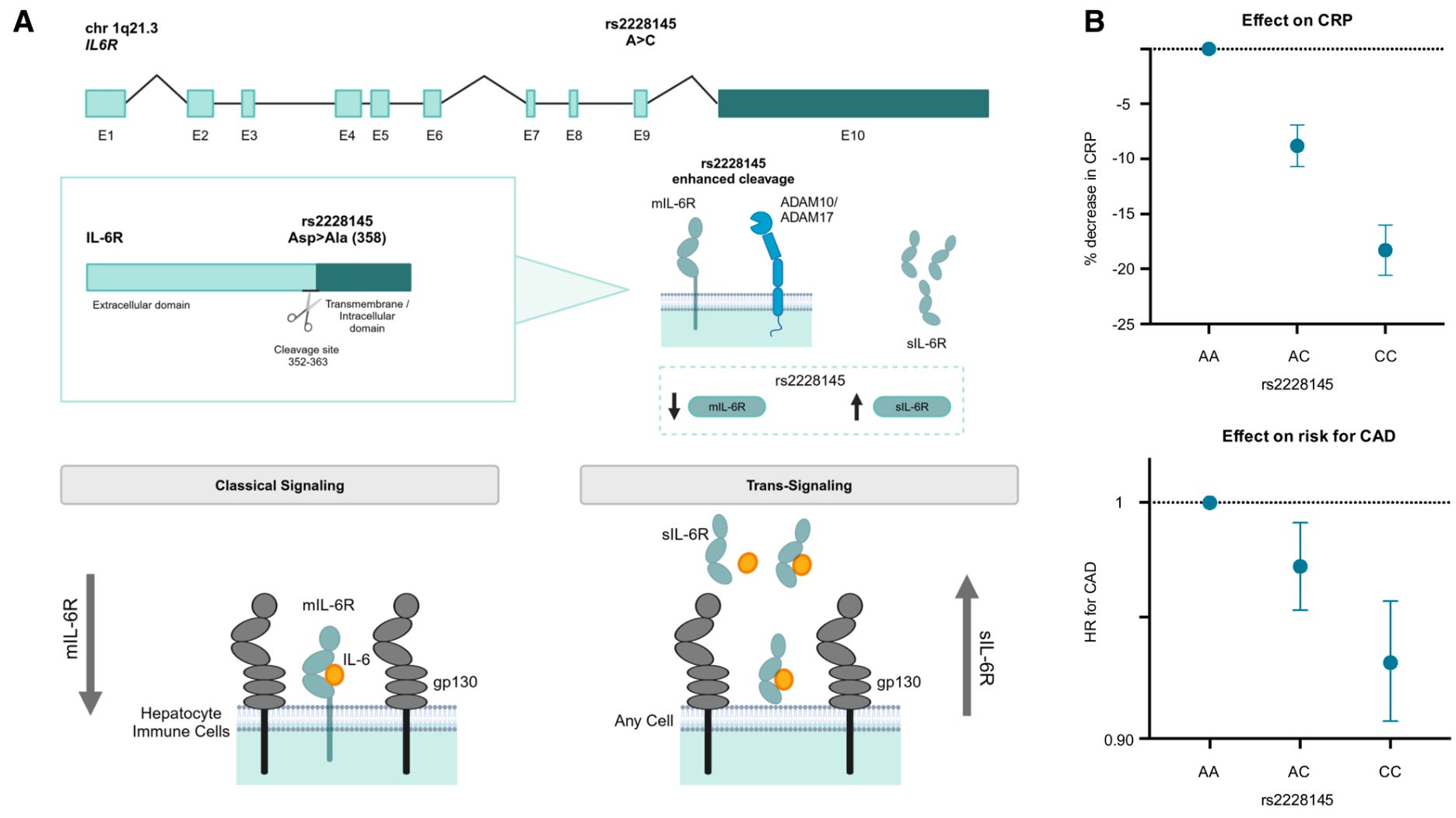
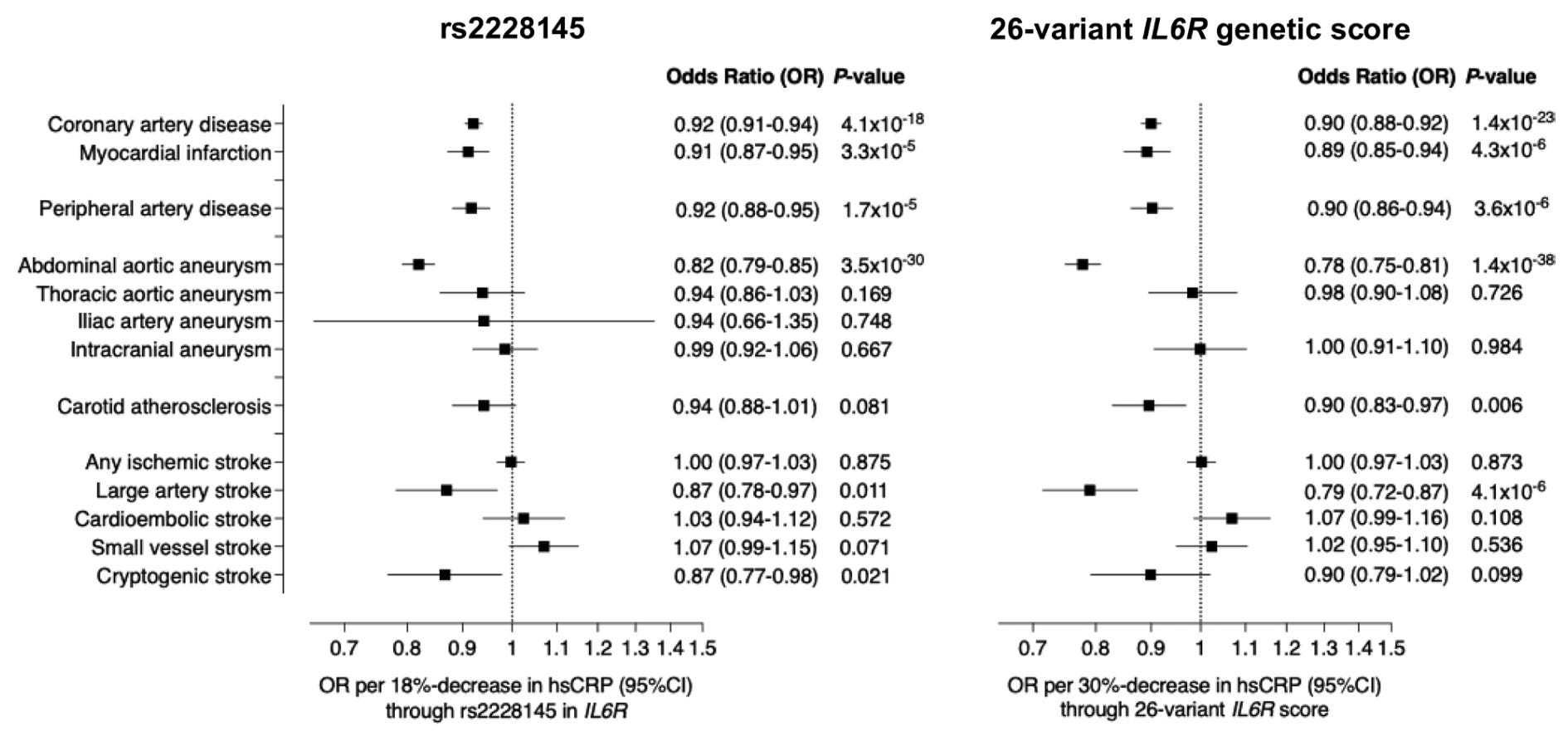
While in the original reports, the associations of rs2228145 with coronary artery disease did not reach genome-wide significance (p ≈ 5 × 10⁻⁵ in each study), with increases in sample sizes, the IL6R locus has subsequently reached genome-wide significance in GWASs of virtually all common atherosclerotic disease phenotypes: coronary artery disease, peripheral artery disease, ischemic stroke and large-artery atherosclerotic stroke, and abdominal aortic aneurysm. It is one of the most consistently replicated genetic signals for atherosclerotic cardiovascular disease.
For a reference regarding the magnitude of the effect, each C allele of rs2228145 (we carry two copies of each allele) is associated with an approximately 9% reduction in circulating CRP levels and an approximately 4% reduction in the odds of coronary artery disease (OR 0.96). This has often been criticized as a very small effect. It should be noted, however, that it reflects a relatively subtle effect on IL-6 signaling, as captured by the approximately 9% reduction in CRP levels. Any pharmacological intervention targeting IL-6 or its receptor would be expected to have a much more pronounced effect on downstream signaling. In fact, most IL-6 or IL-6 receptor inhibitors have shown CRP reductions of up to 90%. The small effect sizes of genetic variants are a common criticism of human genetic studies more broadly. But this does not mean that the pathway lacks drug-target potential. Genetic variants rarely fully mimic the effects of a pharmacological intervention (with the exception of rare protein-truncating variants), but they can point to causal mechanisms that, when perturbed even modestly, alter disease trajectories at the population level.
As GWASs became larger, we could detect more and more variants associated with reductions in IL-6 signaling, as captured by the downstream CRP biomarker: initially 7, and later 26 variants. Pooling these variants together (including rs2228145) gave us a genetic proxy (instrument) of IL-6 signaling activity that captured larger population differences in CRP levels, with up to a 30% reduction when comparing the top and bottom 1% of the population. Exploring the effects of this instrument across GWASs of atherosclerotic disease led to remarkably consistent results across all relevant endpoints. These results were also remarkably consistent across different datasets, from GWAS meta-analyses such as CARDIoGRAMplusC4D and MEGASTROKE to FinnGen and UK Biobank.
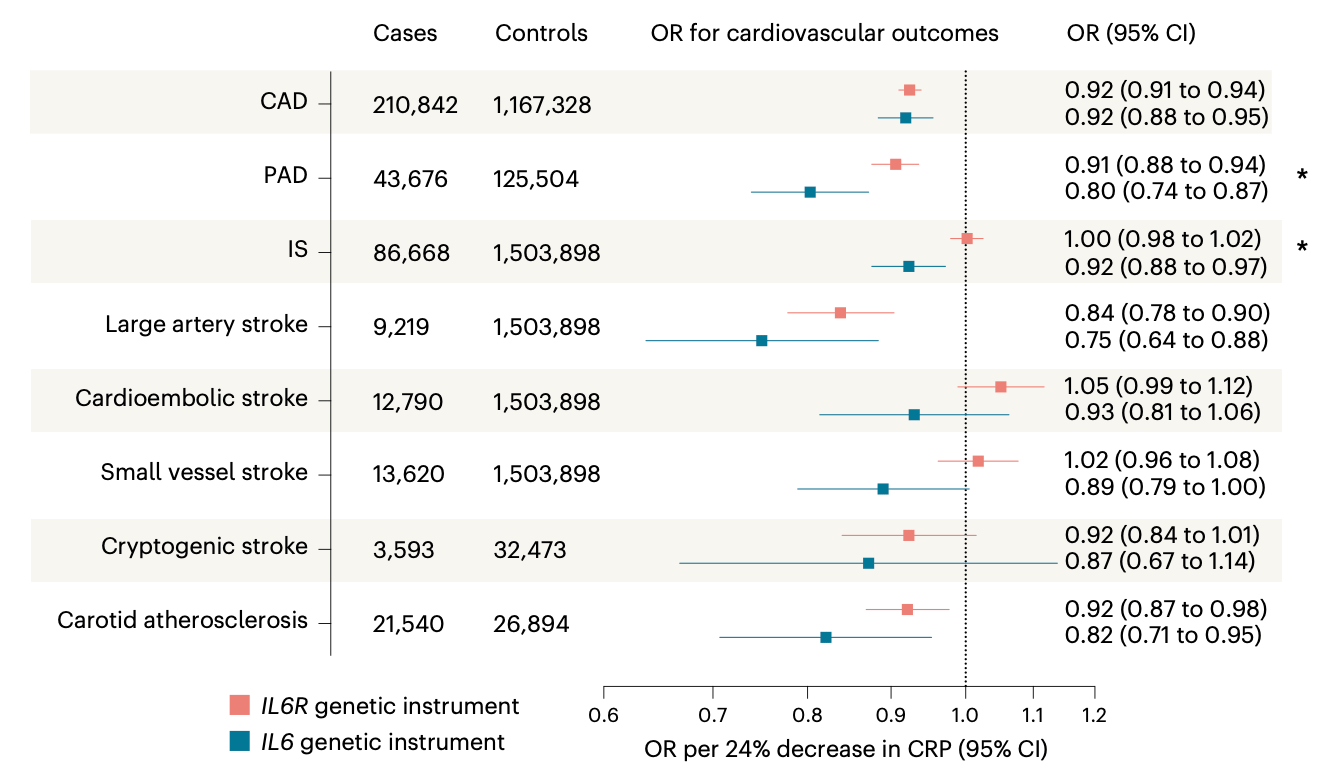
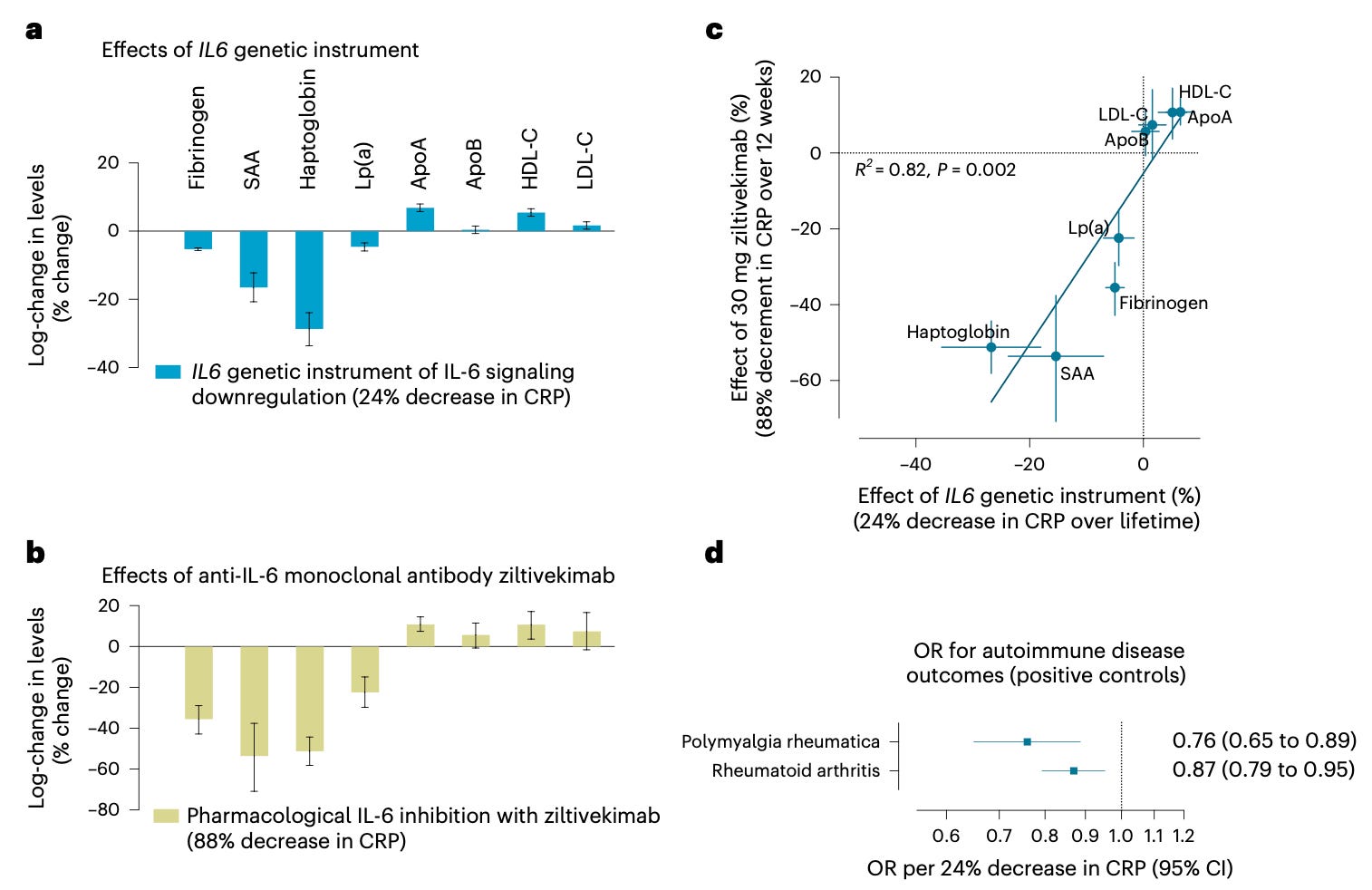
Drugs developed for cardiovascular risk reduction all targeted IL-6 itself rather than the IL-6 receptor, for which the genetic evidence was stronger. Indeed, there appears to be more genetic variation at the IL6R locus than at IL6. However, several variants around the IL6 gene appear to modestly influence IL-6 signaling activity, as captured by CRP levels. In fact, focusing on this locus, we could detect 12 variants, most of them eQTLs for IL6 in immune cells, that were associated with small reductions in CRP levels at genome-wide significance. Pooling these variants together captured differences of up to 24% in CRP levels, a reduction even greater than that captured by the single rs2228145 IL6R variant. Pooling these variants into an instrument, we found associations with biomarkers that were remarkably similar to those seen with pharmacological IL-6 inhibition with ziltivekimab in the ZEUS trial. The instrument was also associated with lower odds of autoimmune diseases for which IL-6 receptor inhibitors have been approved (rheumatoid arthritis and polymyalgia rheumatica). Testing this genetic instrument against cardiovascular endpoints produced a picture similar to what we also saw with IL6R.
It has often been questioned to what extent these results could have predicted actual clinical trial results. Genetic variants have subtle effects on IL-6 signaling that exert their function over the lifetime. This is opposed to more dramatic drug effects over shorter time windows. The answer is that they actually did. On two occasions. In polymyalgia rheumatica (PMR) and COVID-19, these very same genetic instruments predicted clinical benefit before the respective trials of tocilizumab, a monoclonal antibody against IL-6R, were completed (trial of tocilizumab in PMR and RECOVERY). This increased confidence that the expected cardiovascular associations might similarly translate into clinical benefit in patients with atherosclerotic disease.
The ZEUS trial and topline results
Building on this converging evidence, biotech companies started developing drugs inhibiting IL-6 signaling for cardiovascular risk reduction. One of them, Corvidia Therapeutics, developed ziltivekimab, a monoclonal antibody against IL-6, which showed dose-response CRP reductions in a phase 2 trial (RESCUE). Corvidia was acquired by Novo Nordisk, which built a phase 3 portfolio around ziltivekimab, going all-in on the inflammatory hypothesis. This included ZEUS in patients with cardiovascular disease and chronic kidney disease, ARTEMIS in patients with acute myocardial infarction, and HERMES and ATHENA in patients with heart failure of preserved or mildly reduced ejection fraction.
ZEUS, the first of these trials to read out, evaluated the efficacy and safety of ziltivekimab in 6,376 patients with known atherosclerotic cardiovascular disease, chronic kidney disease, and hsCRP levels of ≥2 mg/L. Participants were randomized to receive 15 mg of ziltivekimab, administered once-monthly subcutaneously, versus placebo and were followed for major adverse cardiovascular events (cardiovascular death, non-fatal myocardial infarction, or non-fatal stroke) for up to 5 years. Topline results released on July 31, 2026, however, showed that the reductions in inflammatory biomarkers, including hsCRP and free IL-6, did not translate into clinical benefit. The hazard ratio was a disappointing 0.99 (95% CI: 0.88-1.11). Even worse, there was also a signal of increased serious infections with ziltivekimab.
Why did ZEUS fail?
Having been actively involved in research in this space, I believed that ZEUS would be a positive trial, or at least show a signal of benefit. Instead, it produced a brutally null result that leaves little room for alternative explanations. It will, rightfully, shift the field toward skepticism about whether inflammation is a viable therapeutic target in atherosclerotic cardiovascular disease at all.
So why was the trial negative despite the extensive body of evidence supporting IL-6 signaling as a therapeutic target? I will go through the possible explanations one by one and share my thoughts on each.
Explanation #1 — Inflammation was always the wrong target. This is a relatively popular view in the cardiovascular community, especially following the announcement of the ZEUS results. Targeting inflammation remains highly controversial. While most agree that inflammation is central to the progression of atherosclerosis, there is substantial disagreement about whether targeting it therapeutically makes sense. The main argument among those who oppose this approach is that inflammation is downstream of lipid accumulation and that, in an era of highly efficacious lipid-lowering therapies, we should not expect large reductions in cardiovascular risk from targeting inflammation. At least not reductions large enough to outweigh potential side effects, particularly infections, which are a real concern in older, multimorbid patients with atherosclerosis. According to this view, we should instead focus our efforts on targeting lipid biology, an approach that has been remarkably effective so far.
This is a fair argument. But it also means disregarding a substantial body of research supporting a role for local immune mechanisms in the development and progression of atherosclerosis. Most currently available treatments act by managing risk factors that are upstream of plaque biology (cholesterol, hypertension, obesity, diabetes). Despite massive progress in understanding the mechanisms that drive plaque progression and instability, we still have no therapy that directly targets the plaque itself. This is relatively unusual in medicine, where effective therapies for most diseases act on the primary pathology. Indeed, the immune mechanisms driving plaque progression and instability are heterogeneous, more challenging to target than classical lipid biology, and still not as well understood. But arguing that we should entirely abandon this line of research and clinical development seems to me too radical.
After all, atherosclerotic cardiovascular disease is still far from a solved problem. Even in wealthy economies with access to PCSK9 inhibitors and anti-obesity medications, millions of people still suffer myocardial infarctions and strokes every year. And beyond the preclinical, molecular, epidemiological, and genetic evidence, we shouldn’t forget that there have already been three positive trials showing 15-30% reductions in cardiovascular risk on top of modern treatment (CANTOS, LoDoCo2, and COLCOT). On this basis, I do not believe it is unreasonable to continue efforts to target inflammation and plaque biology.
A point I would like to make, however, is that if the field is going to continue investing in these efforts, we need robust biomarkers of plaque growth, stability, and inflammation that are somewhat responsive to therapies and can detect efficacy signals in early-stage trials. I find it almost laughable that IL-6- (or, more recently, NLRP3-) inhibitors can clear phase 2 trials based on reductions in CRP. As CRP is directly downstream of these inflammatory mechanisms, it is essentially a target-engagement biomarker. Reductions in CRP provide no proof of concept that an IL-6 inhibitor does anything beyond inhibiting IL-6. They provide no evidence that the drug acts in any way on the vascular system. Investing hundreds of millions of dollars in phase 3 cardiovascular outcomes trials without any, even weak, signal of efficacy from earlier-stage development is a central bottleneck to advancing atheroprotective treatments beyond those targeting well-established surrogate risk factors such as LDL cholesterol and blood pressure. There has been progress in this space (e.g. the fat attenuation index derived from coronary CTA) but it still feels that this receives limited attention in cardiovascular research.
Explanation #2 — Inflammation is the right target, but IL-6 signaling isn’t. This is, of course, a plausible explanation, but it is difficult to make a strong case for it based on the available evidence. It is rare for so many lines of evidence to converge on the same pathway. Preclinical experiments in mice, epidemiological studies across different populations and cardiovascular outcomes, molecular analyses of human plaques, genetic evidence from multiple populations, and even post hoc analyses of clinical trials. The vast majority of first-in-class medications entering trials for a new indication have a much smaller body of evidence supporting their development.
I would even argue that, beyond IL-1β, which is supported by CANTOS, no other inflammatory target has had stronger evidence of involvement in atherosclerosis at this stage. Yes, there are pathways independent of IL-1β and IL-6 that are supported by varying levels of evidence, including genetic evidence. Among others, they include immune cell recruitment (e.g., CCL2/CCR2), T-cell activation (e.g., CD40/CD40L), efferocytosis (e.g., SIRPα/CD47), and neutrophil extracellular traps (e.g., PAD4). Some of these are even being brought forward into clinical development by biotech companies, such as CD47 inhibition by Bitterroot Bio. But most remain at earlier stages, with evidence often originating from a small number of academic laboratories. IL-6 signaling, by contrast, has been studied by multiple laboratories and teams across the globe for more than 20 years, generating multilayered evidence and substantial momentum toward clinical development.
Given that IL-1β worked in CANTOS, there is still interest in going further upstream of IL-1β/IL-6 by targeting the NLRP3 inflammasome. I have to say, I have always found the depiction of the NLRP3/IL-1β/IL-6 pathway as a deterministic, step-by-step cascade of events somewhat simplistic and dismissive of the complexity of the immune system; for example, the fact that there are triggers of IL-6 that are independent of IL-1β, or that IL-1β might exert effects independent of IL-6. In retrospect, this simplicity is also challenged by the fact that IL-6 inhibition did not lower cardiovascular risk, whereas IL-1β inhibition did. That said, NLRP3 is thought to regulate not only IL-1β but also IL-18 production and activity. There is some evidence implicating IL-18 signaling in different cardiovascular pathologies, including atherosclerosis, but this evidence is definitely less mature than that for IL-6. Some companies targeting NLRP3 are moving quickly through the clinical development pipeline, with some already having shown reductions in CRP (e.g. the small molecule ruvonoflast by NodThera) and now proceeding toward cardiovascular outcomes trials. I guess we will soon see how NLRP3 inhibition unfolds.
Explanation #3 — IL-6 signaling is the right target, but we should target the receptor, not the ligand. This is a hard one, and the argument is largely anchored in human genetics. As mentioned above, the historical genetic evidence for IL-6 involvement in coronary artery disease was based on the rs2228145 variant within the coding region of IL6R. This was the variant that reached genome-wide significance in subsequent analyses. Although obviously biased, I don’t believe there is sufficient reason to disregard the more recent genetic analyses focused on IL6 variants, which largely replicate the effects seen with IL6R.
Yes, the effects of each individual variant in the IL6 locus on CRP are smaller (up to a 4–5% reduction in CRP levels per effect allele) than the effect of rs2228145 (9% reduction in CRP levels per C allele). But when we pool them together, they create a genetic gradient corresponding to differences of up to 24% in CRP levels across the population, larger than the gradient achieved with rs2228145.
Yes, they are not as well functionally characterized as rs2228145. But most of them are eQTLs for IL6, predominantly in immune cells (mainly monocytes and macrophages), meaning that they influence IL6 expression and have concordant effects on circulating IL-6 and CRP levels.
Yes, variants influencing IL6 expression and, consequently, IL-6 and CRP protein levels might not be good surrogates for pharmacological IL-6 neutralization. But the genetic score created from these variants appears to mimic the effects of ziltivekimab across eight biomarkers with remarkable consistency. It also predicts effects on autoimmune outcomes for which we know IL-6 receptor inhibition works.
Yes, this still doesn’t mean that these variants capture IL-6 signaling inhibition as well as variants in IL6R. But when we compare their effects on 249 metabolites in the UK Biobank, the IL6 and IL6R variants produce remarkably consistent results (r > 0.9), meaning that we capture largely similar downstream effects (at least those reflected by these metabolites).
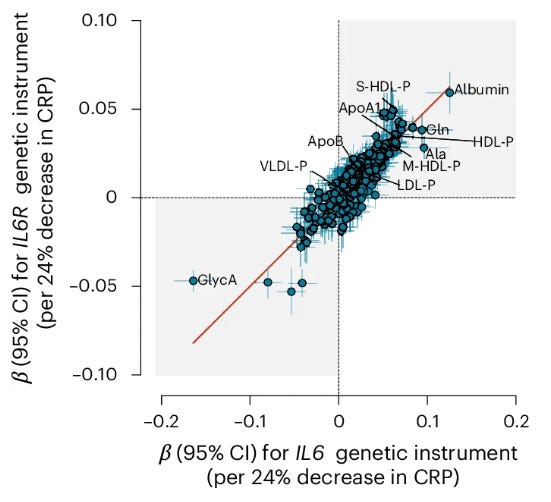
So, I do not really buy the “genetic” argument for why targeting the IL-6 receptor would be better than targeting IL-6 itself. I am not saying that inhibiting IL-6 and the IL-6 receptor should be expected to act in exactly the same way, but I do regard the genetic evidence supporting a role for IL-6 in atherosclerotic cardiovascular disease as strong; almost as strong as the genetic evidence supporting the IL-6 receptor.
Now, beyond genetics, there are good molecular and pharmacological reasons why targeting IL-6 and the IL-6 receptor could produce different results. IL-6 signaling is highly complex, with different modes of signaling across cell types, including classical, trans, and cluster signaling. Reviews by Rose-John and others provide excellent discussions of this biology (e.g. this one). Inhibiting the ligand or the receptor could therefore have different downstream consequences. Pharmacologists also often argue that receptor targeting may be easier than neutralizing a cytokine ligand. These are all interesting points, but they go beyond the genetic evidence on the basis of which IL-6 signaling was implicated in atherosclerosis. That evidence suggested that if we interfere with IL-6 signaling sufficiently to achieve sustained reductions in CRP levels, we should expect reductions in cardiovascular risk. And ziltivekimab replicated essentially all aspects of this prediction, except for the reduction in cardiovascular risk.
Explanation #4 — IL-6 is the right target, but the population studied in ZEUS was wrong. Novo decided to focus ZEUS on patients with chronic kidney disease (CKD). I can see three possible reasons for this choice. First, by the time ZEUS was being designed, the colchicine trials had already shown positive results, and approval seemed likely. Because colchicine is generally avoided in patients with CKD, focusing on this population offered a setting in which there would be less competition from an established anti-inflammatory therapy. Second, CRP levels are markedly elevated in patients with CKD, which has been historically interpreted as higher levels of systemic inflammation. Third, patients with CKD have substantially higher cardiovascular risk than those without CKD. This not only makes the potential benefits of an anti-inflammatory treatment more clinically compelling, but also allows an event-driven trial to accumulate cardiovascular events more rapidly.
All these points are well taken, and obviously Novo put a lot of thought into this decision. But it remains a controversial choice, as CKD is a very specific population with its own biological nuances. As anyone who has worked in a hospital knows, CRP is a highly nonspecific biomarker of inflammation. While baseline hsCRP levels might indeed reflect vascular inflammation under stable conditions, for example in the absence of another source of inflammation, it is much harder to interpret elevated hsCRP in patients with CKD as evidence of increased vascular inflammation. Uremic toxin accumulation and multiple other mechanisms may contribute to elevated CRP levels in CKD. In other words, while an hsCRP >2 mg/L might indicate vascular inflammation in patients with ASCVD without CKD, the same level may not carry the same meaning in patients with CKD.
Furthermore, while CKD patients have both higher hsCRP levels and higher cardiovascular risk, this does not mean that the latter is driven by the former. Other mechanisms that have little to do with inflammation (e.g. vascular calcification, anemia, endothelial dysfunction, altered renin-angiotensin-aldosterone system), could contribute to the excess cardiovascular risk associated with CKD.
For what it’s worth, at some point we ran an analysis testing the associations of the IL6R genetic instrument with incident cardiovascular events across different population subgroups in the UK Biobank. This analysis comes with its own major caveats (e.g. collider bias), but it revealed some interesting patterns. Specifically, the well-described association of IL6R variants with cardiovascular risk appeared to be somewhat stronger with higher BMI, higher LDL-C, and lower HbA1c in the non-diabetic range. Although the heterogeneity statistic was not significant, the associations were also somewhat attenuated in the small subgroup of participants with an eGFR <60 mL/min/1.73 m².
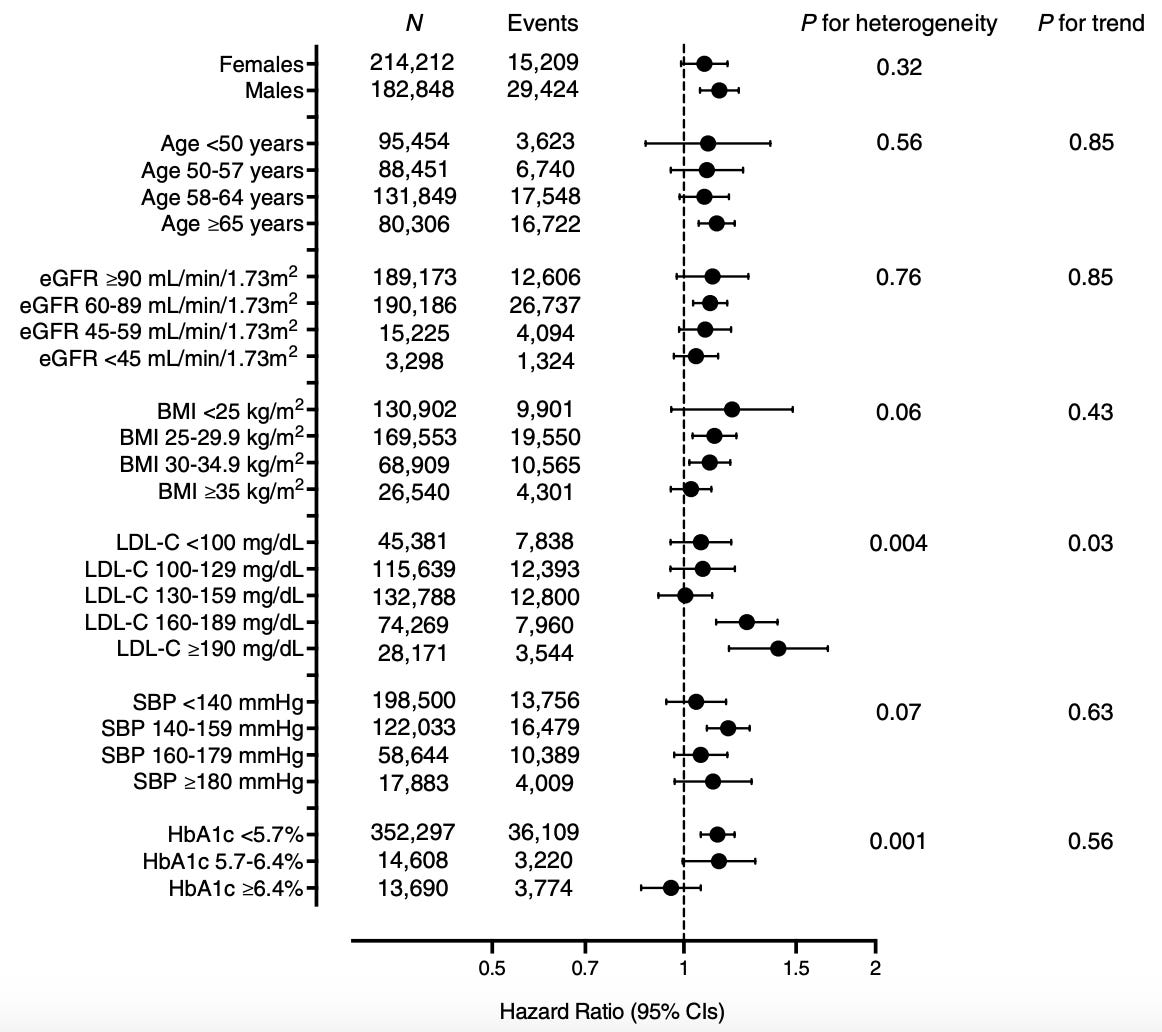
Now, if we look at the population recruited into ZEUS, all patients had CKD and relatively low eGFR, the average BMI was >30 kg/m², LDL cholesterol was relatively low (mean <80 mg/dL, reflecting aggressive lipid-lowering therapy), and more than 75% had diabetes, with a mean HbA1c of 6.8%. In other words, this was almost exactly the kind of population in which genetically proxied IL-6 signaling would have predicted a weaker effect.
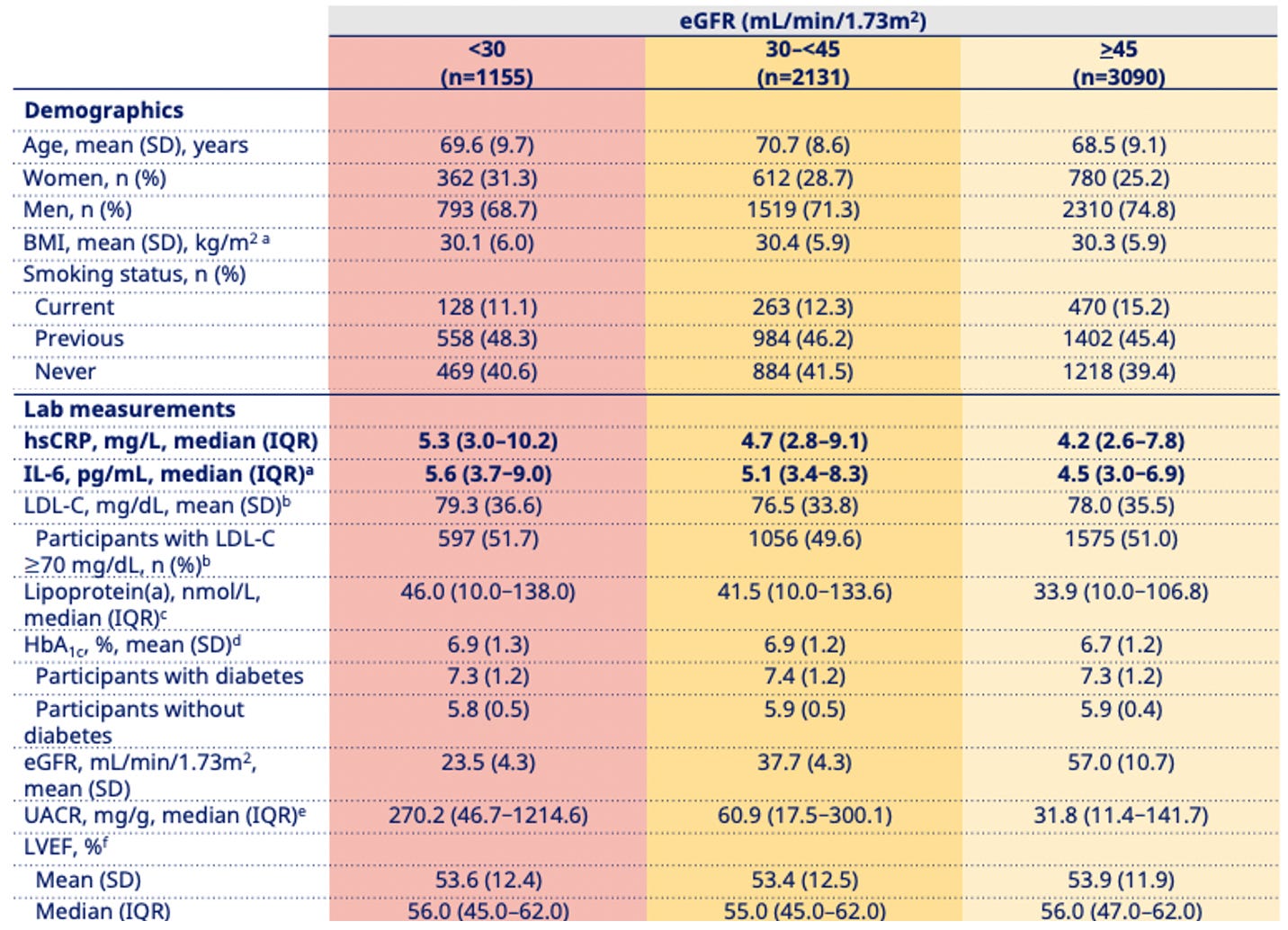
That said, I have to admit that, although I have always thought that Novo’s decision to focus on CKD could dilute any potential effects of IL-6 inhibition, I do not believe that this is sufficient to explain a completely null hazard ratio of 0.99. If the problem was indeed the population, and the treatment was otherwise effective, I would still expect to see at least some evidence of an effect. Still, I expect that more granular data from ZEUS, including specific cardiovascular endpoints and subgroup analyses, as well as results from ongoing trials, especially ARTEMIS (expected in 2027), will shed more light on the population question.
I understand that this is a fairly mixed set of thoughts, and the honest conclusion is that I simply don’t know why ZEUS failed. Beyond explanation #3 (the ligand-vs-receptor hypothesis), which I would almost certainly discard, all of the other explanations remain plausible. Explanation #4 (the population hypothesis), is particularly difficult to reconcile with a hazard ratio of 0.99, and we will soon learn much more from the subgroup analyses and the follow-up ARTEMIS trial. That leaves us with two broad possibilities. Either inflammation is simply the wrong target altogether in atherosclerosis (difficult to accept), or IL-6 signaling is the wrong inflammatory pathway to pursue (difficult to find another one with comparable evidence).
It is always tempting to judge a negative trial and sound wise in retrospect. But arguing that going after IL-6 signaling was wrong in the first place seems to me to rely more on gut feeling than evidence. Before ZEUS, the evidence was overwhelmingly supportive.
Should we stop believing in human genetics?
Beyond its concrete implications for atherosclerotic cardiovascular disease, the ZEUS trial puts pressure on the idea that human genetic data can generate therapeutic hypotheses that are more likely to succeed. Targeting IL-6 signaling in atherosclerosis was clearly a prominent example of a therapeutic hypothesis that was strongly supported and, to a large extent, driven forward by human genetic evidence. As such, criticism of the model of target prioritization based on human genetics is well justified and welcome.
Some thoughts on that:
(1) De-risking a target does not mean eradicating risk of development. Anyone criticizing genetic evidence based on the IL-6 example should remember that the overall success rate of drug development is below 10%. It would be wonderful if genetically validated targets always worked out, but even the most enthusiastic geneticist would laugh at the idea. Genetics is a very powerful tool that can be used to discover novel targets, prioritize targets among competing options, or validate targets for specific indications. It can provide an excellent starting point for downstream experiments and inform decisions about whether to pursue new drug development programmes or move targets into clinical development. But it provides no guarantee.
(2) It is very often underestimated how challenging it is to translate a genomic signal into a positive trial. The genetic signal tells us that, at a population level, individuals carrying variants that slightly downregulate IL-6 signaling have a lifetime lower risk of developing atherosclerotic cardiovascular disease. This does not mean that pharmacologically targeting IL-6 signaling in patients with advanced atherosclerosis, CKD, high hsCRP, and aggressive lipid-lowering therapy will necessarily reduce cardiovascular risk. The genetic experiment and the clinical trial are not testing the same thing.
(3) Drug development happens in specific clinical contexts, each with its own challenges that have little to do with genetics. I have written before that clinical development is a highly nuanced endeavor. Population selection, competing therapies, pragmatism, and patient preferences can all matter enormously. A good example is factor XI, for which there is strong genetic evidence supporting a role in ischemic stroke risk, driven largely by the cardioembolic subtype. Trials of factor XI inhibitors for cardioembolic stroke prevention in patients with atrial fibrillation failed to demonstrate an advantage over established anticoagulants. Yet the approach has shown more promise in non-cardioembolic stroke, where the therapeutic landscape is less competitive, even though the genetic signal is clearly weaker.
(4) Still, I remain convinced that natural perturbations of a drug target, as captured in our germline genome, that influence disease risk provide evidence for a causal role of that target at some stage of disease biology. Can anyone question that IL-6 signaling is somehow involved in atherosclerosis development? Why else do we see these robust associations in genetic studies? It might be that the signal is not relevant to the disease stage and clinical context in which we want to develop a drug, but it does point to causal biology. It could be that IL-6 signaling is only involved in early atherogenesis, or that it is secondary to massive lipid accumulation and therefore not relevant to modern drug development efforts. But if genetic variation in the pathway influences disease risk, it is difficult to dismiss the pathway as merely an epiphenomenon. If it were, variation in the genes of the pathway would have no obvious reason to influence disease risk.
In this regard, human genetics clearly de-risks a key component of biological risk in humans in a way that no other observational study design can. Considering how many targets we pursue based solely on animal studies or correlational evidence from human omics analyses, genetic signals offer an opportunity to build on human-centric causal biology. What genetic evidence does not eliminate, of course, is the risk of translation beyond that initial biological insight, which depends on so many factors that have little to do with genetics.
Marios - very well summarized the rationale for why 0.99 shocked the CV community. I was the founder of Corvidia and it’s CMO until 2019, spinning the asset out of AZ in 2015 to start the company. The arguments you make here underly how and why we were able to raise the cash we needed to start the company, run Ph2, and why Novo acquired with great conviction. I am currently a staff cardiologist at BWH, and a peripheral colleague of Eric’s via the Flagship Pioneering ecosystem as CEO of a somatic genomics company, Quotient. I reflect on the IL6 basis of evidence, how/why we landed on CAD vs other endpoints, and how/why we choose CKD as the target population in Ph2, often as we try and establish a new branch of genomics as a drug discovery and development science. Your post brings together astutely over a decade of thought and analysis in the IL1b/IL6 atheroinflammation field. I’d love to connect separately as I think there are crevasses between the edges of your comments where the efficacy of Ziltivekimab in CAD may have fallen through explaining the result, and lessons for how to apply what are now two branches of genomics (in the context of otherwise correlative and generally non-translatable biology) to future drug development.
Well done, Marios. IL-6 and hs-CRP are dissociated from coronary artery inflammation, which can be accurately and quantitatively assessed with FAI. Inflammation in the right target!